EXXUA (TM) (gepirone) extended-release tablets for adult patients with MDD. Dosing & titrationEXXUA (TM) (gepirone) extended-release tablets for adult patients with MDD. Dosing & titration
Shadow Shape

Once-daily EXXUA allows precise dosing

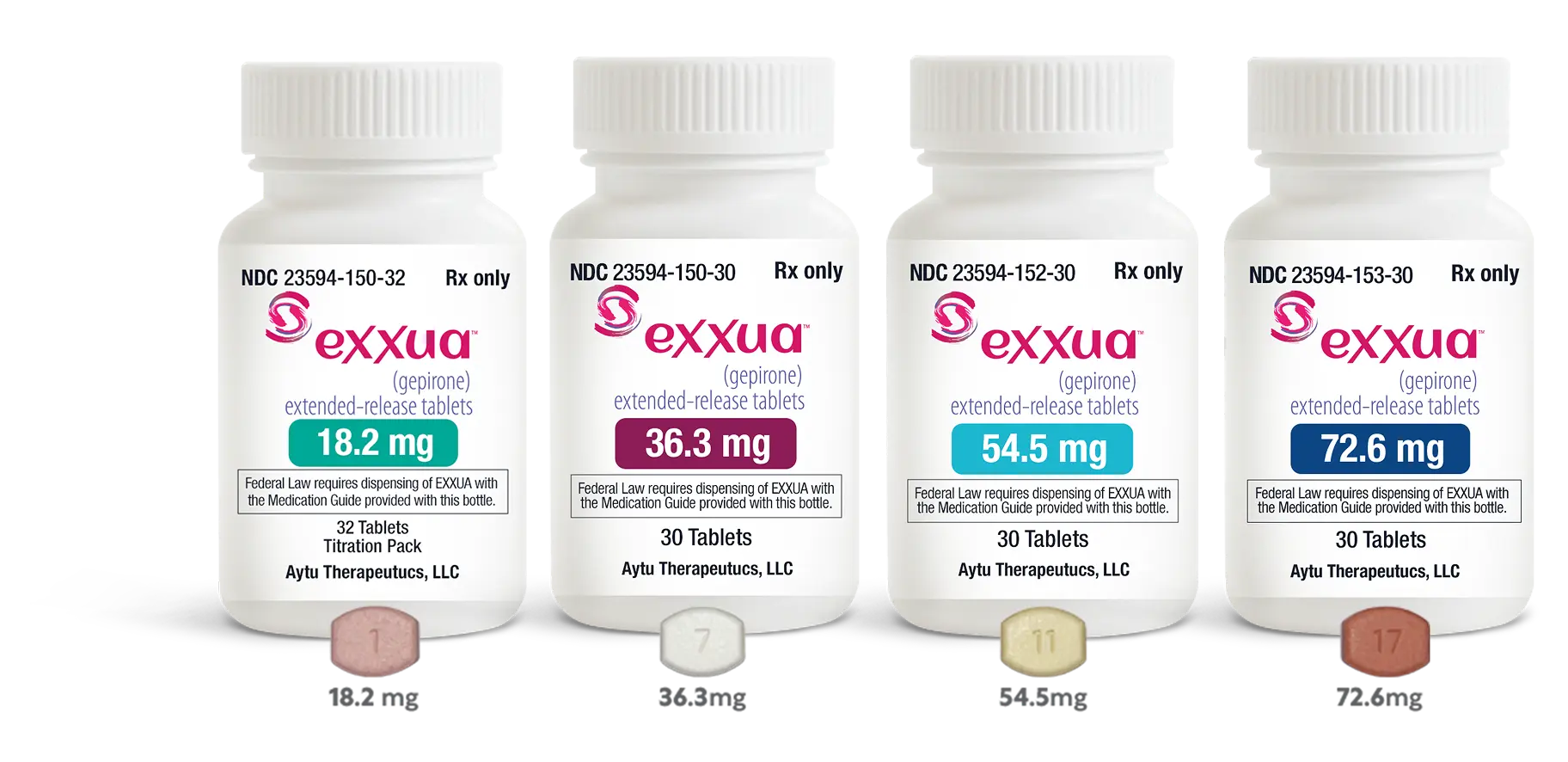
Range of tablet strengths for flexibility and precision1

Photograph of four different dosage bottles of EXXUA tablets and an example of each corresponding tablet.

Not actual size of tablets.

EXXUA prolongs the QTc interval1

Electrocardiogram (ECG) and electrolyte monitoring recommendations1*

  • Correct electrolyte abnormalities prior to initiating EXXUA. Monitor electrolytes during dose titration and periodically during treatment in patients with electrolyte abnormalities, receiving diuretics or glucocorticoids, or with a history of hypokalemia or hypomagnesemia
  • Perform ECG prior to initiating EXXUA, during dosage titration, and periodically during treatment
  • Do not initiate EXXUA if QTc is >450 msec at baseline
  • Monitor ECGs more frequently in patients:
    • who develop QTc ≥450 msec during treatment
    • with a significant risk of developing torsade de pointes
    • taking drugs known to prolong the QT interval
  • Do not escalate the EXXUA dosage if the QTcF is >450 msec

*In a thorough QT study, the largest mean increase in baseline-and placebo-corrected QTc interval with 100 mg per day immediate-release gepirone was 18.4 msec on Day 1 and 16.1 msec on Day 7. The exposure in this study was 2-fold the exposure maximum recommended dose with an immediate-release formulation (not marketed).

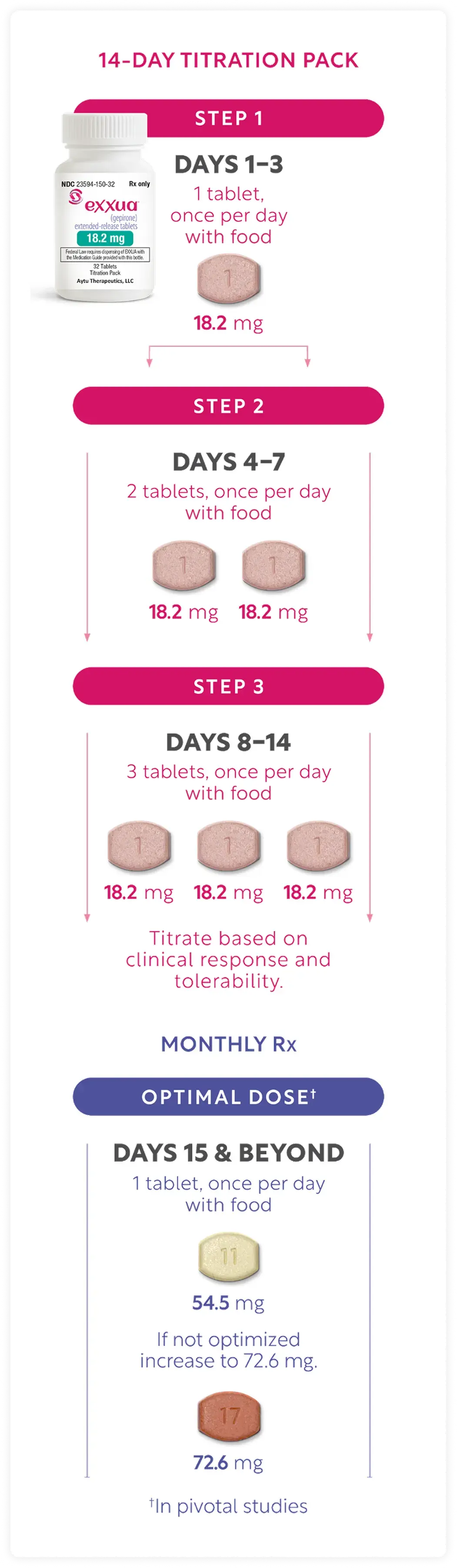
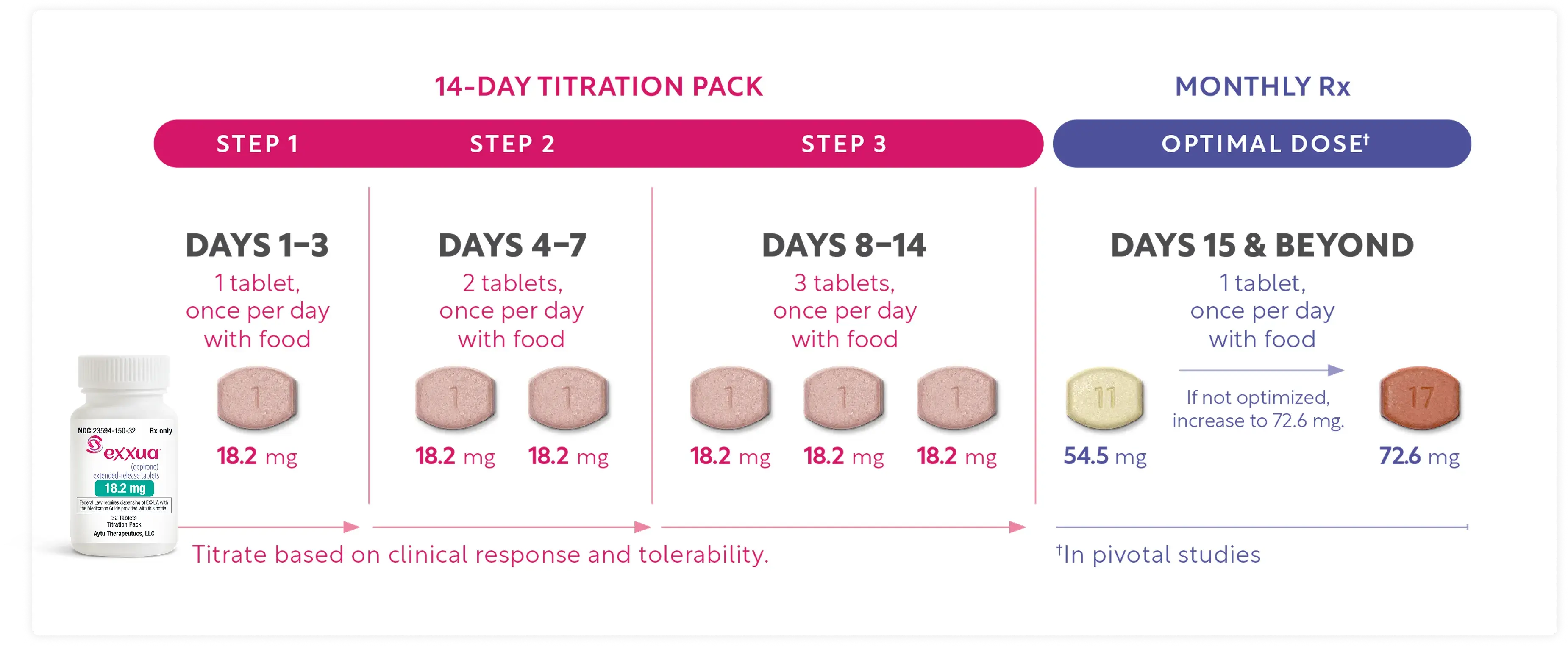
3-step titration to achieve an optimal dose1

Lets patients adjust to treatment to help reach optimal dose

~86% of patients were titrated to an optimal dose of 54.5 mg or 72.6 mg in pivotal studies1

~65% of patients had an optimal dose of 72.6 mg per day
~21% of patients had an optimal dose of 54.5 mg per day

Chart showing titration schedule for EXXUA from 14-day titration pack to monthly Rx.Chart showing titration schedule for EXXUA from 14-day titration pack to monthly Rx.

Advise patients to:

  • swallow EXXUA whole and not split, chew, or crush the tablets
  • take EXXUA at approximately the same time every day with food

See Full Prescribing Information for dose modifications for patients with renal or hepatic impairment or concomitant use of CYP3A4 inhibitors.

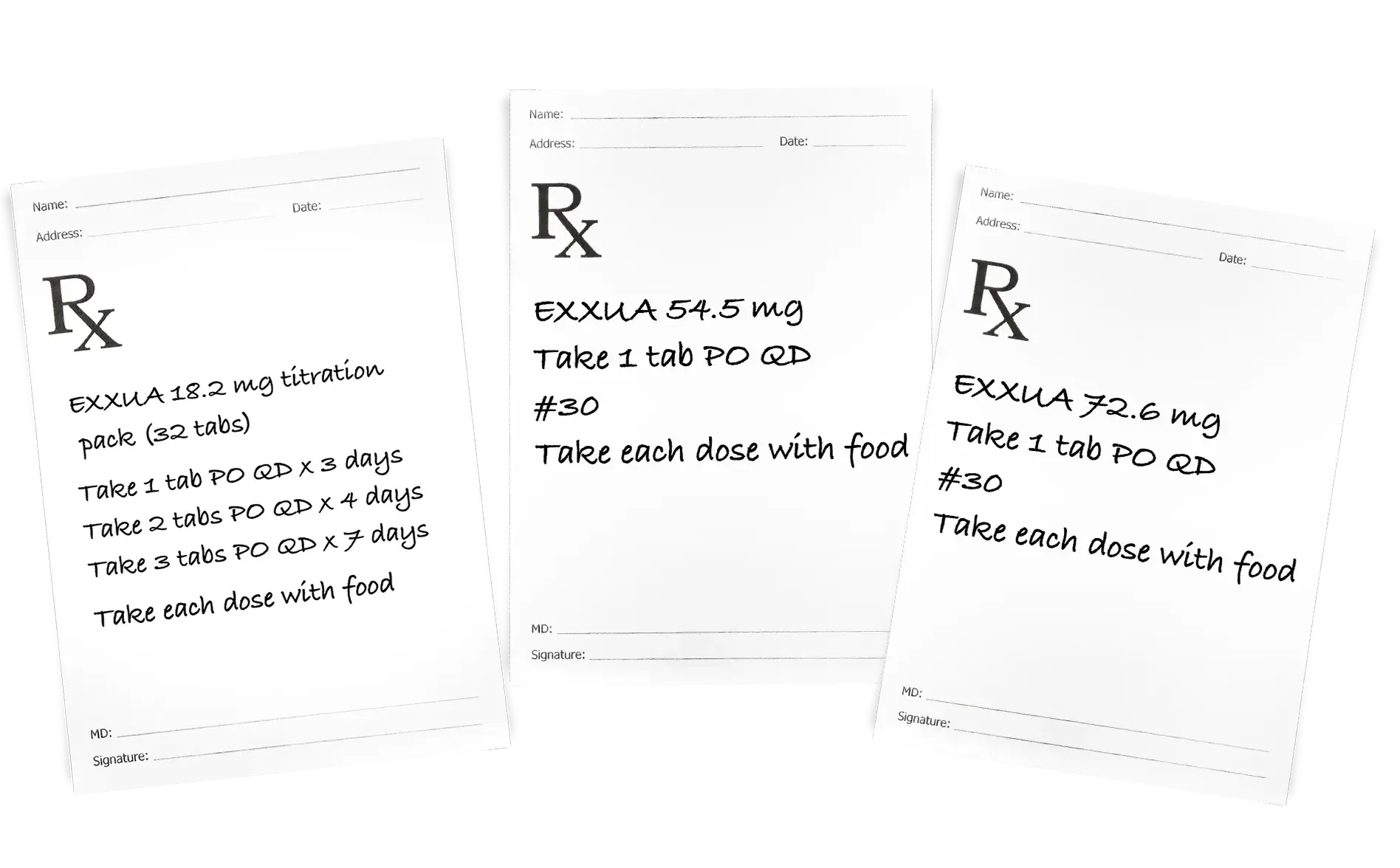
Prescribe 14-day titration pack, then monthly optimal dose

Patients should take EXXUA exactly as prescribed by their doctor.
Image showing prescribe 14-day titration pack dose

Downloadable resources

Icon of a brochure with a download arrow.

Dosing guide

Get dosing and titration guidance to initiate EXXUA with flexibility and precision.

Icon of a brochure with a download arrow.

Patient brochure

This brochure helps patients understand what makes EXXUA different and how to start their treatment journey.

Icon of a letter with a download arrow.

Letter of medical necessity

This template can be customized and submitted with a prior authorization request for EXXUA.

Icon of a letter with a download arrow.

Letter of appeal

Customize this template to use as a letter of appeal for patients who may have received a claim denial for EXXUA.

IMPROVEMENT IN HAMD-17

HAMD-17=Hamilton Depression Rating Scale.

See the pivotal study data

Explore data from two eight-week, randomized, double‑blind, phase 3 studies demonstrating the efficacy and safety of EXXUA in adults with MDD.
Efficacy & Safety

HAMD-17=Hamilton Depression Rating Scale.

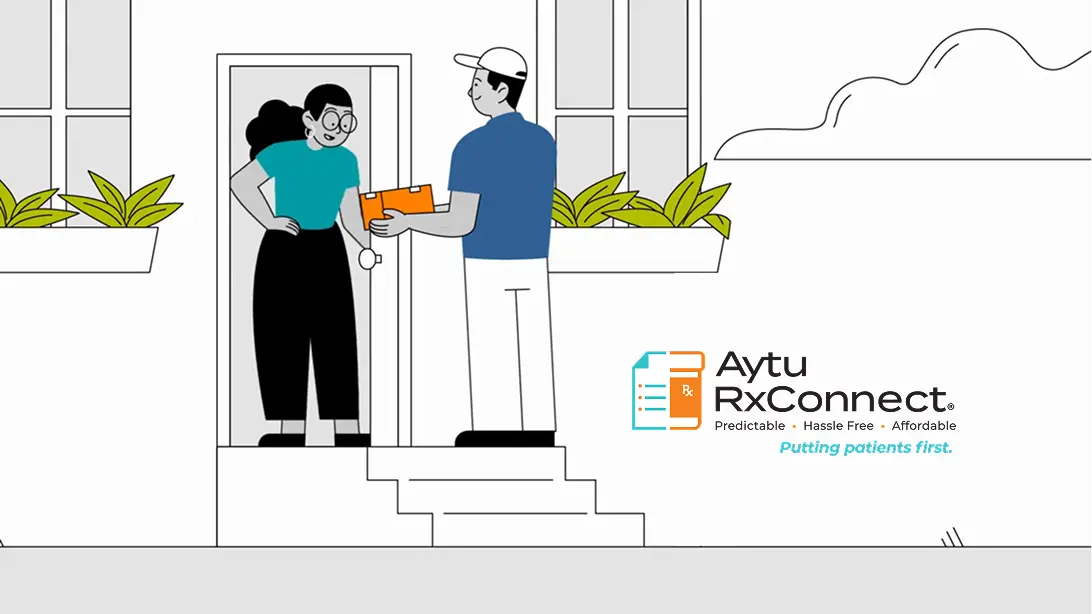
Illustration of man handing a package to a woman.

See how your patients can save

Eligible patients may pay as little as $0 at Aytu RxConnect pharmacies.

Valid for 30-day supply. Copays may vary for higher-count prescriptions. Offer valid for patients with commercial insurance (not Medicaid or Medicare) and at participating Aytu RxConnect pharmacies only. Offer not available at non participating RxConnect pharmacies or at major retail pharmacies, like CVS or Walgreens.

IMPORTANT SAFETY INFORMATION

WARNING: SUICIDAL THOUGHTS AND BEHAVIORS

Antidepressants increase the risk of suicidal thoughts and behaviors in pediatric and young adult patients in short-term studies. Closely monitor all antidepressant-treated patients for clinical worsening and emergence of suicidal thoughts and behaviors. EXXUA is not approved for use in pediatric patients.

INDICATIONS AND USAGE

EXXUA is indicated for the treatment of major depressive disorder (MDD) in adults.

DOSAGE AND ADMINISTRATION

Important Recommendations Prior to Initiating and During Treatment with EXXUA

Electrocardiogram and Electrolyte Monitoring
Correct electrolyte abnormalities prior to initiating EXXUA. In patients with electrolyte abnormalities, or who are receiving diuretics or glucocorticoids, or who have a history of hypokalemia or hypomagnesemia, also monitor electrolytes during dose titration and periodically during treatment with EXXUA.

Perform an electrocardiogram (ECG) prior to initiating EXXUA, during dosage titration, and periodically during treatment. Do not initiate EXXUA if QTc is > 450 msec at baseline. Monitor ECGs more frequently if EXXUA is used:

  • concomitantly with drugs known to prolong the QT interval
  • in patients who develop QTc ≥ 450 msec during treatment
  • in patients with a significant risk of developing torsade de pointes

Do not escalate the EXXUA dosage if the QTcF is > 450 msec.

Bipolar Disorder, Mania, and Hypomania Screening
Screen patients for a personal or family history of bipolar disorder, mania, or hypomania prior to initiating treatment with EXXUA.

Important Administration Instructions

Take EXXUA orally with food at approximately the same time each day. Swallow tablets whole. Do not split, crush, or chew EXXUA.

Recommended Dosage

The recommended starting dosage of EXXUA is 18.2 mg once daily. Based on clinical response and tolerability, the dosage may be increased to 36.3 mg orally once daily on Day 4 and further titrated to 54.5 mg orally once daily after Day 7 and to 72.6 mg orally once daily after an additional week. The maximum recommended daily dosage of EXXUA is 72.6 mg once daily.

Dosage Recommendations in Geriatric Patients

The recommended starting dosage of EXXUA in geriatric patients is 18.2 mg orally once daily. Based on clinical response and tolerability, the dosage may be increased to maximum recommended dosage of 36.3 mg orally once daily after Day 7.

Recommended Dosage in Patients with Renal Impairment

The recommended starting dosage of EXXUA in patients with creatinine clearance < 50 mL/min is 18.2 mg orally once daily. Based on clinical response and tolerability, the dosage may be increased to the maximum recommended dosage of 36.3 mg orally once daily after Day 7. The recommended dosage in patients with creatinine clearance ≥ 50 mL/min is the same as in patients with normal renal function.

Recommended Dosage in Patients with Hepatic Impairment

The recommended starting dose of EXXUA in patients with moderate (Child-Pugh B) hepatic impairment is 18.2 mg once daily. Based on clinical response and tolerability, the dosage may be increased to the maximum recommended dosage of 36.3 mg orally once daily after Day 7. EXXUA is contraindicated in patients with severe (Child-Pugh C) hepatic impairment. The recommended dosage in patients with mild (Child-Pugh A) hepatic impairment is the same as patients with normal hepatic function.

Dosage Modifications for Concomitant Use with CYP3A4 Inhibitors

Reduce the EXXUA dose by 50% when used concomitantly with a moderate CYP3A4 inhibitor. EXXUA is contraindicated in patients receiving strong CYP3A4 inhibitors.

Switching a Patient to or from a Monoamine Oxidase Inhibitor (MAOI) Antidepressant

At least 14 days must elapse between discontinuation of an MAOI intended to treat depression and initiation of therapy with EXXUA. Conversely, at least 14 days must be allowed after stopping EXXUA before starting an MAOI antidepressant.

CONTRAINDICATIONS

EXXUA is contraindicated in patients:

  • with known hypersensitivity to gepirone or components of EXXUA.
  • with prolonged QTc interval > 450 msec at baseline.
  • with congenital long QT syndrome.
  • receiving concomitant strong CYP3A4 inhibitors.
  • with severe hepatic impairment.
  • taking, or within 14 days of stopping, MAOIs due to the risk of serious and possibly fatal drug interactions, including hypertensive crisis and serotonin syndrome. Starting EXXUA in a patient treated with reversible MAOIs such as linezolid or intravenous methylene blue is also contraindicated.

WARNINGS AND PRECAUTIONS

Suicidal Thoughts and Behaviors in Adolescents and Young Adults

In pooled analyses of placebo-controlled trials of antidepressant drugs (SSRIs and other antidepressant classes) that included approximately 77,000 adult patients, and 4,500 pediatric patients, the incidence of suicidal thoughts and behaviors in antidepressant-treated patients aged 24 years and younger was greater than in placebo-treated patients.

There was considerable variation in risk of suicidal thoughts and behaviors among drugs, but there was an increased risk identified in young patients for most drugs studied. There were differences in absolute risk of suicidal thoughts and behaviors across the different indications, with the highest incidence in patients with MDD.

*EXXUA is not approved for use in pediatric patients.

Monitor all antidepressant-treated patients for clinical worsening and emergence of suicidal thoughts and behaviors, especially during the initial few months of drug therapy, and at times of dosage changes. Counsel family members or caregivers of patients to monitor for changes in behavior and to alert the healthcare provider. Consider changing the therapeutic regimen, including possibly discontinuing EXXUA, in patients whose depression is persistently worse, or who are experiencing emergent suicidal thoughts or behaviors.

QT Prolongation

EXXUA prolongs the QTc interval.

  • EXXUA is contraindicated in patients with congenital long QT syndrome and in patients with severe hepatic impairment or in patients receiving concomitant strong CYP3A4 inhibitors as they increase EXXUA plasma concentrations.
  • Do not initiate EXXUA if QTc is > 450 msec at baseline.
  • Correct electrolyte abnormalities prior to EXXUA initiation. In patients with electrolyte abnormalities, who are receiving diuretics or glucocorticoids, or have a history or hypokalemia or hypomagnesemia, also monitor electrolytes during dose titration and periodically during treatment with EXXUA.
  • Perform an ECG prior to EXXUA initiation, during dosage titration, and periodically during treatment. Monitor patients with ECGs more frequently:
    • If EXXUA is used concomitantly with drugs known to prolong the QT interval.
    • In patients who develop QTc ≥ 450 msec during treatment with EXXUA. Do not escalate the EXXUA dosage if QTcF is > 450 msec.
    • In patients with a significant risk of developing torsade de pointes, including those with uncontrolled or significant cardiac disease, recent myocardial infarction, heart failure, unstable angina, bradyarrhythmias, uncontrolled hypertension, high degree atrioventricular block, severe aortic stenosis, or uncontrolled hypothyroidism.
  • Reduce the EXXUA dosage when used concomitantly with moderate CYP3A4 inhibitors, as they may increase EXXUA concentrations.

Serotonin Syndrome

Concomitant use of EXXUA with SSRIs or tricyclic antidepressants may cause serotonin syndrome, a potentially life-threatening condition with changes including altered mental status, hypertension, restlessness, myoclonus, hyperthermia, hyperreflexia, diaphoresis, shivering, and tremor. The concomitant use of EXXUA with MAOIs is contraindicated. In addition, do not initiate EXXUA in a patient being treated with MAOIs such as linezolid or intravenous methylene blue. If it is necessary to initiate treatment with an MAOI such as linezolid or intravenous methylene blue in a patient taking EXXUA discontinue EXXUA before initiating treatment with the MAOI.

If concomitant use of EXXUA with other serotonergic drugs is clinically warranted, inform patients of the increased risk for serotonin syndrome and monitor for symptoms. Discontinue EXXUA and/or concomitant serotonergic drug immediately if the above symptoms occur and initiate supportive symptomatic treatment.

Activation of Mania or Hypomania

Antidepressant treatment can precipitate a manic, mixed, or hypomanic manic episode. The risk appears to be increased in patients with bipolar disorder or who have risk factors for bipolar disorder. Prior to initiating treatment with EXXUA, screen patients for a history of bipolar disorder and the presence of risk factors for bipolar disorder (e.g., family history of bipolar disorder, suicide, or depression). EXXUA is not approved for use in treating bipolar depression.

ADVERSE REACTIONS

Most common adverse reactions (incidence of ≥5% and at least twice incidence of placebo) were dizziness, nausea, insomnia, abdominal pain, and dyspepsia.

The following adverse reactions are discussed in greater detail in other sections of the labeling:

  • Suicidal Thoughts and Behaviors in Adolescents and Young Adults
  • QT Prolongation
  • Serotonin Syndrome
  • Activation of Mania or Hypomania

To report SUSPECTED ADVERSE REACTIONS, contact Aytu BioPharma at 1-855-298-8246 or http://www.exxua.com or FDA at 1-800-FDA-1088 or www.fda.gov/medwatch.

USE IN SPECIFIC POPULATIONS

Pregnancy

The background risk of major birth defects and miscarriage for the indicated population is unknown. In the U.S. general population, the estimated background risk of major birth defects and miscarriage in clinically recognized pregnancies is 2 to 4% and 15 to 20%, respectively.

There is a pregnancy exposure registry that monitors pregnancy outcomes in women exposed to antidepressants, including EXXUA, during pregnancy. Healthcare providers are encouraged to register patients by calling the National Pregnancy Registry for Antidepressants at 1-866-961-2388 or visiting online at https://womensmentalhealth.org/research/pregnancyregistry/antidepressants/.

Lactation

There is no data on the presence of gepirone in human milk, the effects on the breastfed infant, or the effects on milk production. Gepirone is present in rat milk. When a drug is present in animal milk, it is likely that the drug will be present in human milk. There are reports of breastfed infants exposed to other serotonergic antidepressants experiencing irritability, restlessness, excessive somnolence, decreased feeding, and weight loss. The developmental and health benefits of breastfeeding should be considered along with the mother’s clinical need for EXXUA and any adverse effects on the breastfed infant from EXXUA or from the underlying maternal condition.

OVERDOSAGE

In clinical studies, cases of acute ingestions up to 454 mg (6.25 times the maximum recommended dose) of EXXUA alone or in combination with other drugs, were reported. Signs and symptoms reported with overdose of EXXUA at doses up to 454 mg included vomiting and transient incomplete bundle branch block; an unknown dose of EXXUA produced altered level of consciousness and a 60-second convulsion. No specific antidotes for EXXUA are known. Consider contacting the Poison Help line (1-800-222-1222) or a medical toxicologist for additional overdose management recommendations.

Please see Full Prescribing Information for EXXUA.

IMPORTANT SAFETY INFORMATION

WARNING: SUICIDAL THOUGHTS AND BEHAVIORS

Antidepressants increase the risk of suicidal thoughts and behaviors in pediatric and young adult patients in short-term studies. Closely monitor all antidepressant-treated patients for clinical worsening and emergence of suicidal thoughts and behaviors. EXXUA is not approved for use in pediatric patients.

INDICATIONS AND USAGE

EXXUA is indicated for the treatment of major depressive disorder (MDD) in adults.

DOSAGE AND ADMINISTRATION

Important Recommendations Prior to Initiating and During Treatment with EXXUA

Electrocardiogram and Electrolyte Monitoring
Correct electrolyte abnormalities prior to initiating EXXUA. In patients with electrolyte abnormalities, or who are receiving diuretics or glucocorticoids, or who have a history of hypokalemia or hypomagnesemia, also monitor electrolytes during dose titration and periodically during treatment with EXXUA.

Perform an electrocardiogram (ECG) prior to initiating EXXUA, during dosage titration, and periodically during treatment. Do not initiate EXXUA if QTc is > 450 msec at baseline. Monitor ECGs more frequently if EXXUA is used:

  • concomitantly with drugs known to prolong the QT interval
  • in patients who develop QTc ≥ 450 msec during treatment
  • in patients with a significant risk of developing torsade de pointes

Do not escalate the EXXUA dosage if the QTcF is > 450 msec.

Bipolar Disorder, Mania, and Hypomania Screening
Screen patients for a personal or family history of bipolar disorder, mania, or hypomania prior to initiating treatment with EXXUA.

Important Administration Instructions

Take EXXUA orally with food at approximately the same time each day. Swallow tablets whole. Do not split, crush, or chew EXXUA.

Recommended Dosage

The recommended starting dosage of EXXUA is 18.2 mg once daily. Based on clinical response and tolerability, the dosage may be increased to 36.3 mg orally once daily on Day 4 and further titrated to 54.5 mg orally once daily after Day 7 and to 72.6 mg orally once daily after an additional week. The maximum recommended daily dosage of EXXUA is 72.6 mg once daily.

Dosage Recommendations in Geriatric Patients

The recommended starting dosage of EXXUA in geriatric patients is 18.2 mg orally once daily. Based on clinical response and tolerability, the dosage may be increased to maximum recommended dosage of 36.3 mg orally once daily after Day 7.

Recommended Dosage in Patients with Renal Impairment

The recommended starting dosage of EXXUA in patients with creatinine clearance < 50 mL/min is 18.2 mg orally once daily. Based on clinical response and tolerability, the dosage may be increased to the maximum recommended dosage of 36.3 mg orally once daily after Day 7. The recommended dosage in patients with creatinine clearance ≥ 50 mL/min is the same as in patients with normal renal function.

Recommended Dosage in Patients with Hepatic Impairment

The recommended starting dose of EXXUA in patients with moderate (Child-Pugh B) hepatic impairment is 18.2 mg once daily. Based on clinical response and tolerability, the dosage may be increased to the maximum recommended dosage of 36.3 mg orally once daily after Day 7. EXXUA is contraindicated in patients with severe (Child-Pugh C) hepatic impairment. The recommended dosage in patients with mild (Child-Pugh A) hepatic impairment is the same as patients with normal hepatic function.

Dosage Modifications for Concomitant Use with CYP3A4 Inhibitors

Reduce the EXXUA dose by 50% when used concomitantly with a moderate CYP3A4 inhibitor. EXXUA is contraindicated in patients receiving strong CYP3A4 inhibitors.

Switching a Patient to or from a Monoamine Oxidase Inhibitor (MAOI) Antidepressant

At least 14 days must elapse between discontinuation of an MAOI intended to treat depression and initiation of therapy with EXXUA. Conversely, at least 14 days must be allowed after stopping EXXUA before starting an MAOI antidepressant.

CONTRAINDICATIONS

EXXUA is contraindicated in patients:

  • with known hypersensitivity to gepirone or components of EXXUA.
  • with prolonged QTc interval > 450 msec at baseline.
  • with congenital long QT syndrome.
  • receiving concomitant strong CYP3A4 inhibitors.
  • with severe hepatic impairment.
  • taking, or within 14 days of stopping, MAOIs due to the risk of serious and possibly fatal drug interactions, including hypertensive crisis and serotonin syndrome. Starting EXXUA in a patient treated with reversible MAOIs such as linezolid or intravenous methylene blue is also contraindicated.

WARNINGS AND PRECAUTIONS

Suicidal Thoughts and Behaviors in Adolescents and Young Adults

In pooled analyses of placebo-controlled trials of antidepressant drugs (SSRIs and other antidepressant classes) that included approximately 77,000 adult patients, and 4,500 pediatric patients, the incidence of suicidal thoughts and behaviors in antidepressant-treated patients aged 24 years and younger was greater than in placebo-treated patients.

There was considerable variation in risk of suicidal thoughts and behaviors among drugs, but there was an increased risk identified in young patients for most drugs studied. There were differences in absolute risk of suicidal thoughts and behaviors across the different indications, with the highest incidence in patients with MDD.

*EXXUA is not approved for use in pediatric patients.

Monitor all antidepressant-treated patients for clinical worsening and emergence of suicidal thoughts and behaviors, especially during the initial few months of drug therapy, and at times of dosage changes. Counsel family members or caregivers of patients to monitor for changes in behavior and to alert the healthcare provider. Consider changing the therapeutic regimen, including possibly discontinuing EXXUA, in patients whose depression is persistently worse, or who are experiencing emergent suicidal thoughts or behaviors.

QT Prolongation

EXXUA prolongs the QTc interval.

  • EXXUA is contraindicated in patients with congenital long QT syndrome and in patients with severe hepatic impairment or in patients receiving concomitant strong CYP3A4 inhibitors as they increase EXXUA plasma concentrations.
  • Do not initiate EXXUA if QTc is > 450 msec at baseline.
  • Correct electrolyte abnormalities prior to EXXUA initiation. In patients with electrolyte abnormalities, who are receiving diuretics or glucocorticoids, or have a history or hypokalemia or hypomagnesemia, also monitor electrolytes during dose titration and periodically during treatment with EXXUA.
  • Perform an ECG prior to EXXUA initiation, during dosage titration, and periodically during treatment. Monitor patients with ECGs more frequently:
    • If EXXUA is used concomitantly with drugs known to prolong the QT interval.
    • In patients who develop QTc ≥ 450 msec during treatment with EXXUA. Do not escalate the EXXUA dosage if QTcF is > 450 msec.
    • In patients with a significant risk of developing torsade de pointes, including those with uncontrolled or significant cardiac disease, recent myocardial infarction, heart failure, unstable angina, bradyarrhythmias, uncontrolled hypertension, high degree atrioventricular block, severe aortic stenosis, or uncontrolled hypothyroidism.
  • Reduce the EXXUA dosage when used concomitantly with moderate CYP3A4 inhibitors, as they may increase EXXUA concentrations.

Serotonin Syndrome

Concomitant use of EXXUA with SSRIs or tricyclic antidepressants may cause serotonin syndrome, a potentially life-threatening condition with changes including altered mental status, hypertension, restlessness, myoclonus, hyperthermia, hyperreflexia, diaphoresis, shivering, and tremor. The concomitant use of EXXUA with MAOIs is contraindicated. In addition, do not initiate EXXUA in a patient being treated with MAOIs such as linezolid or intravenous methylene blue. If it is necessary to initiate treatment with an MAOI such as linezolid or intravenous methylene blue in a patient taking EXXUA discontinue EXXUA before initiating treatment with the MAOI.

If concomitant use of EXXUA with other serotonergic drugs is clinically warranted, inform patients of the increased risk for serotonin syndrome and monitor for symptoms. Discontinue EXXUA and/or concomitant serotonergic drug immediately if the above symptoms occur and initiate supportive symptomatic treatment.

Activation of Mania or Hypomania

Antidepressant treatment can precipitate a manic, mixed, or hypomanic manic episode. The risk appears to be increased in patients with bipolar disorder or who have risk factors for bipolar disorder. Prior to initiating treatment with EXXUA, screen patients for a history of bipolar disorder and the presence of risk factors for bipolar disorder (e.g., family history of bipolar disorder, suicide, or depression). EXXUA is not approved for use in treating bipolar depression.

ADVERSE REACTIONS

Most common adverse reactions (incidence of ≥5% and at least twice incidence of placebo) were dizziness, nausea, insomnia, abdominal pain, and dyspepsia.

The following adverse reactions are discussed in greater detail in other sections of the labeling:

  • Suicidal Thoughts and Behaviors in Adolescents and Young Adults
  • QT Prolongation
  • Serotonin Syndrome
  • Activation of Mania or Hypomania

To report SUSPECTED ADVERSE REACTIONS, contact Aytu BioPharma at 1-855-298-8246 or http://www.exxua.com or FDA at 1-800-FDA-1088 or www.fda.gov/medwatch.

USE IN SPECIFIC POPULATIONS

Pregnancy

The background risk of major birth defects and miscarriage for the indicated population is unknown. In the U.S. general population, the estimated background risk of major birth defects and miscarriage in clinically recognized pregnancies is 2 to 4% and 15 to 20%, respectively.

There is a pregnancy exposure registry that monitors pregnancy outcomes in women exposed to antidepressants, including EXXUA, during pregnancy. Healthcare providers are encouraged to register patients by calling the National Pregnancy Registry for Antidepressants at 1-866-961-2388 or visiting online at https://womensmentalhealth.org/research/pregnancyregistry/antidepressants/.

Lactation

There is no data on the presence of gepirone in human milk, the effects on the breastfed infant, or the effects on milk production. Gepirone is present in rat milk. When a drug is present in animal milk, it is likely that the drug will be present in human milk. There are reports of breastfed infants exposed to other serotonergic antidepressants experiencing irritability, restlessness, excessive somnolence, decreased feeding, and weight loss. The developmental and health benefits of breastfeeding should be considered along with the mother’s clinical need for EXXUA and any adverse effects on the breastfed infant from EXXUA or from the underlying maternal condition.

OVERDOSAGE

In clinical studies, cases of acute ingestions up to 454 mg (6.25 times the maximum recommended dose) of EXXUA alone or in combination with other drugs, were reported. Signs and symptoms reported with overdose of EXXUA at doses up to 454 mg included vomiting and transient incomplete bundle branch block; an unknown dose of EXXUA produced altered level of consciousness and a 60-second convulsion. No specific antidotes for EXXUA are known. Consider contacting the Poison Help line (1-800-222-1222) or a medical toxicologist for additional overdose management recommendations.

Please see Full Prescribing Information for EXXUA.
Reference: 1. EXXUA™ (gepirone). Prescribing Information. Fabre-Kramer Pharmaceuticals, Inc.

Dosing & Titration | EXXUA™ (gepirone)